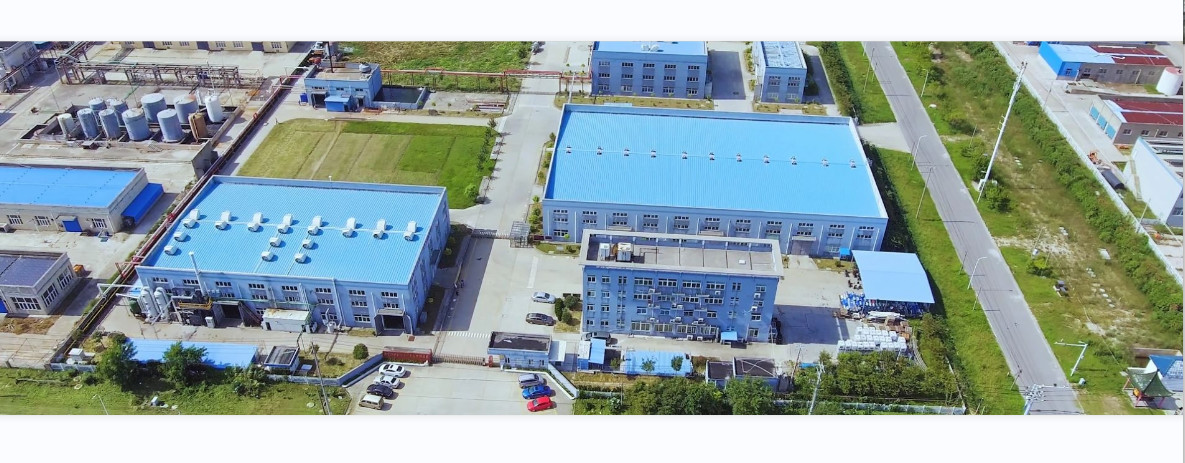
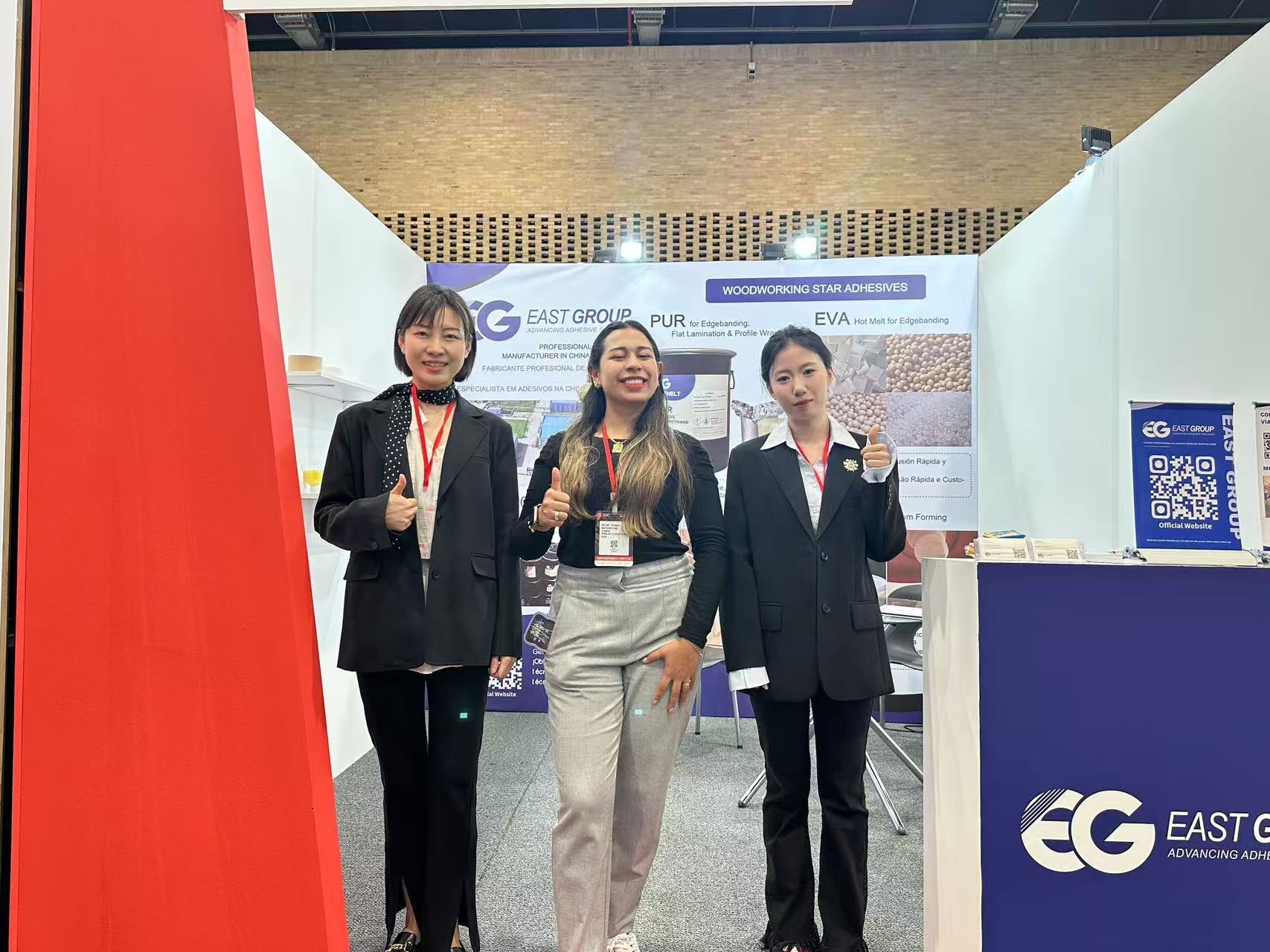
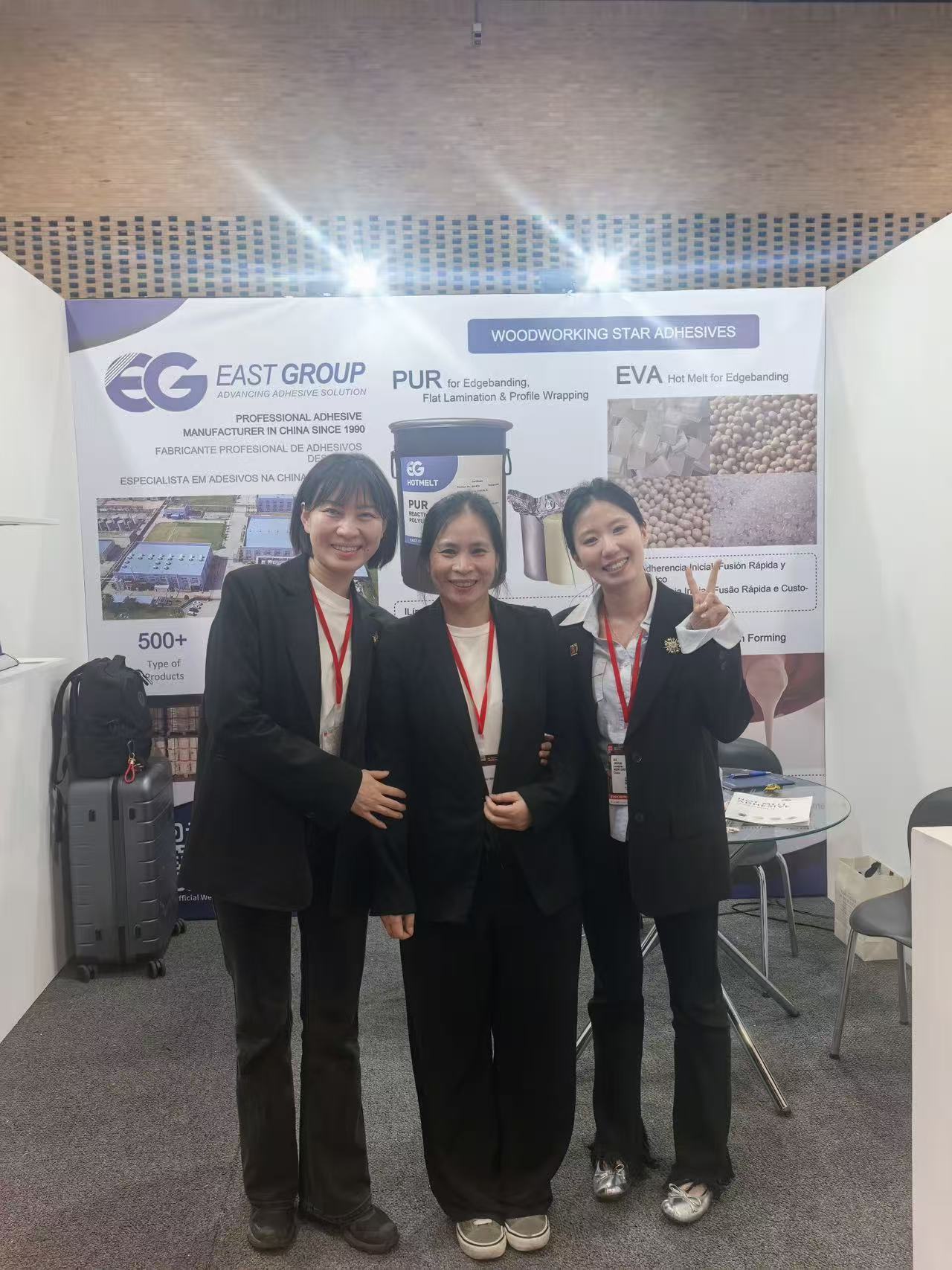
Tập đoàn Đông có phòng thí nghiệm công nghệ cao với kỹ thuật viên hóa chất chuyên nghiệp, nhà xưởng hiện đại hóa và được trang bị hệ thống quản lý sản xuất tiên tiến.
Con dấu tin cậy, Kiểm tra tín dụng, RoSH và Đánh giá năng lực nhà cung cấp.
Công ty có hệ thống kiểm soát chất lượng nghiêm ngặt và phòng thí nghiệm thử nghiệm chuyên nghiệp.
Phát triển
Đội ngũ thiết kế chuyên nghiệp nội bộ và xưởng máy móc tiên tiến.
Chúng tôi có thể hợp tác để phát triển các sản phẩm bạn cần.
SẢN XUẤT
Máy móc tự động tiên tiến, hệ thống kiểm soát quy trình nghiêm ngặt.
Chúng tôi có thể sản xuất tất cả các đầu nối điện vượt quá yêu cầu của bạn.
100% dịch vụ
Đóng gói số lượng lớn và tùy chỉnh nhỏ, FOB, CIF, DDU và DDP.
Hãy để chúng tôi giúp bạn tìm giải pháp tốt nhất cho mọi vấn đề của bạn.
Common Industry Pain Points of Residue on Synthetic Paper Shipping Labels
Cross-border logistics and e-commerce warehouses widely adopt synthetic paper waybill labels. Conventional hot melt adhesives tend to leave sticky residue on cartons and goods after long-term adhesion under fluctuating storage temperatures. Residue contaminates outer packaging and raises manual cleaning costs. Besides, ordinary glues easily cause oil penetration, smudging printing ink on synthetic paper and blurring barcodes, which hinders automatic sorting.
Most general hot melt adhesives have unstable viscosity, leading to uneven coating during high-speed lamination. Although initial adhesion meets basic standards, glue layer migration occurs after long storage, becoming the root cause of residue and oil bleed — two long-standing selection challenges for European and American label manufacturers.
Core Performance of EG-520 Low Oil Penetration Hot Melt PSA for Synthetic Paper Logistics Labels
EG-520 is formulated with SEBS synthetic rubber TPR system. Its melt viscosity stays steady at 5500±1000 mpa·s under 180℃, delivering even fluidity without excessive glue accumulation during high-speed coating. The ring-and-ball softening point reaches 100±5℃, preventing glue softening and oil penetration under regular storage conditions.
Balanced peel force enables complete separation during label removal without fragmented adhesive residue. Its operating temperature range of 160℃ to 180℃ fits mainstream high-speed label coating machines in Europe and North America, maintaining consistent coating thickness without overflow or stringing even under continuous mass production.
Practical Selection Tips for Cross-border Logistics Label Manufacturers
For mass production of synthetic paper shipping labels, buyers shall verify two core indicators: stable melt viscosity and low oil penetration formula.
Do not mix this adhesive with other glue variants. EG-520 is a single-component system; blending will damage its internal structure and worsen residue and oil bleed problems.
Keep production line temperature within 160–180℃ to reduce glue migration.
Avoid long-term storage above 40℃ to preserve full performance within its 12-month shelf life.
This hot melt pressure sensitive adhesive complies with global packaging label standards. Its low-odor feature supports logistics labels attached to food and daily chemical export goods, fundamentally solving two major manufacturing pain points: adhesive residue after peeling and ink contamination from oil penetration.
The demand for self-adhesive labels continues to grow across the food packaging, logistics, consumer goods, and pharmaceutical industries. At the same time, manufacturers are paying increasing attention to issues such as edge lifting, insufficient adhesion, and reduced bonding performance in low-temperature environments.
For label converters, adhesive performance depends not only on the facestock and release liner but also on the Hot Melt Pressure Sensitive Adhesive (HMPSA) used during the coating process. Material formulation, coating stability, and processing conditions all contribute to the final bonding performance.
Why Do Self-Adhesive Labels Experience Edge Lifting?
Edge lifting is usually caused by multiple factors rather than a single issue.
Common causes include:
Poor compatibility between the adhesive and the substrate.
Insufficient initial tack during label application.
Viscosity fluctuations during hot melt coating.
Reduced adhesion under cold storage or transportation conditions.
Mechanical stress during long-term use.
As a result, label manufacturers are placing greater emphasis on selecting stable pressure-sensitive adhesive systems for industrial production.
The Role of Hot Melt Pressure Sensitive Adhesives in Label Manufacturing
HMPSA is applied in a molten state and develops permanent tack after cooling, making it suitable for a wide range of labeling and tape applications.
Typical applications include:
Self-adhesive labels
PET labels
Cloth tapes
Packaging labels
Logistics labels
Industrial identification labels
For high-speed coating lines, adhesives should deliver reliable initial tack while maintaining consistent flow characteristics throughout production.
Key Factors When Selecting an HMPSA for Labels
Stable Viscosity for Consistent Coating
Take EG-520 for example, the adhesive has a viscosity of 5500 ±1000 mPa·s at 180°C and a recommended application temperature of 160–180°C.Stable viscosity supports uniform coating and consistent production quality.
Appropriate Thermal Processing Window
The adhesive features a softening point of 100 ±5°C (Ring & Ball), providing a stable thermal processing range during industrial coating operations.
SEBS-Based Formulation
The product is formulated with SEBS synthetic rubber, a material commonly used in pressure-sensitive adhesives for its reliable initial tack and compatibility with label and tape applications.
Industry Outlook
As labeling equipment continues to evolve toward higher automation and faster production speeds, manufacturers are increasingly focused on adhesive consistency rather than adhesion alone. Selecting an HMPSA with stable viscosity, an appropriate processing temperature range, and compatibility with common label substrates can help support consistent coating performance and reliable label production across a variety of industrial applications.
Thay đổi yêu cầu về liên kết kết cấu trong sản xuất điện tử
Các nhà sản xuất thiết bị điện tử trên khắp Bắc Mỹ tiếp tục áp dụng các thiết kế nhẹ và lắp ráp đa vật liệu. Điện tử tiêu dùng, thiết bị điều khiển công nghiệp, thiết bị liên lạc và sản phẩm thông minh ngày càng kết hợp nhựa kỹ thuật với các thành phần kim loại để đạt được chức năng cải tiến và tính linh hoạt trong thiết kế.
Đồng thời, môi trường hoạt động ngày càng trở nên khắt khe hơn. Nhiều sản phẩm điện tử phải chịu sự biến động về độ ẩm, rung động khi vận chuyển, chu kỳ nhiệt độ và thỉnh thoảng tiếp xúc với hóa chất tẩy rửa trong suốt thời gian sử dụng của chúng.
Do đó, các nhà sản xuất đang chú trọng hơn vào các hệ thống kết dính có thể hỗ trợ cả hiệu quả sản xuất lẫn hiệu suất kết cấu lâu dài.
Những thách thức chung trong các ứng dụng lắp ráp điện tử
Yêu cầu liên kết đa vật liệu
Các ứng dụng lắp ráp điển hình bao gồm:
Vỏ PC được liên kết với khung nhôm
Các bộ phận ABS được gắn vào giá đỡ bằng thép không gỉ
Các bộ phận PVC được tích hợp vào cấu trúc kim loại
Vỏ nhựa được lắp ráp với các giá đỡ bên trong
Sự khác biệt về tính chất bề mặt và đặc tính giãn nở nhiệt thường làm cho các tổ hợp này khó liên kết một cách đáng tin cậy hơn.
Tiếp xúc với môi trường
Sản phẩm điện tử có thể gặp phải:
Điều kiện độ ẩm cao
Thay đổi nhiệt độ lặp đi lặp lại
Chất tẩy rửa hóa học
Tải nhiệt liên tục trong quá trình hoạt động
Những yếu tố này đã làm tăng sự quan tâm đến chất kết dính được thiết kế cho các môi trường lắp ráp đòi hỏi khắt khe.
Tại sao keo nóng chảy PUR xử lý độ ẩm lại được quan tâm
Chất kết dính nóng chảy PUR sử dụng cơ chế liên kết hai giai đoạn. Sau khi sử dụng, chất kết dính phát triển độ bền xử lý ban đầu thông qua quá trình làm mát. Sau đó, nó phản ứng với độ ẩm xung quanh để tạo thành mạng lưới liên kết chéo, góp phần tạo nên hiệu quả liên kết cuối cùng.
EG-8601 là:
Chất kết dính có hàm lượng rắn 100%
Keo nóng chảy PUR một thành phần
Giải pháp liên kết phản ứng xử lý độ ẩm
Sản phẩm được thiết kế để liên kết các bề mặt PC, ABS, PVC, nhôm và thép không gỉ.
Khả năng tương thích vật liệu này làm cho nó phù hợp với nhiều ứng dụng lắp ráp điện tử.
Các thông số chính cần đánh giá trong quá trình lựa chọn chất kết dính
Độ nhớt nóng chảy
EG-8601 cung cấp độ nhớt nóng chảy:
5500–9000 cps ở 110°C
Thông số này giúp đánh giá trạng thái dòng chảy và độ ổn định của quy trình trong hoạt động phân phối.
Nhiệt độ ứng dụng
Nhiệt độ ứng dụng được đề xuất là:
110–130°C
Cửa sổ nhiệt độ được kiểm soát có thể hỗ trợ khả năng tương thích với các thiết bị phân phối thông thường.
Hiệu suất liên kết
Dữ liệu kỹ thuật chỉ ra:
Độ bền kéo 9 MPa để liên kết PC với PC
Độ bền kéo 9 MPa để liên kết ABS với ABS
Những giá trị này cung cấp các điểm tham chiếu hữu ích cho các tổ hợp nhựa kỹ thuật.
Điều kiện bảo dưỡng được đề xuất
Để bảo dưỡng hoàn toàn, sản phẩm khuyến nghị:
Nhiệt độ:23–25°C
Độ ẩm tương đối:khoảng 65%
Triển vọng ngành
Khi các sản phẩm điện tử tiếp tục phát triển theo hướng cấu trúc phức tạp và tích hợp hơn, việc lựa chọn chất kết dính ngày càng trở nên quan trọng trong thiết kế và sản xuất sản phẩm.
Đối với các dự án yêu cầu khả năng tương thích với nhiều chất nền, đặc tính xử lý ổn định và hiệu suất trong điều kiện môi trường khó khăn, keo nóng chảy PUR xử lý độ ẩm đang ngày càng thu hút sự chú ý trong ngành sản xuất điện tử.